Blocked Stormwater in Helensburgh
1000+ five-star reviews
Stormwater that won't drain after rain isn't just an inconvenience. Left long enough, it pools against foundations and undermines paths and driveways.
We open it up with the jetter, confirm the result on camera, and put a number to the whole job before we start.

- Lic #275278C
- Fully Insured ($20M)
- $0 Call-Out
- Lifetime Labour Warranty
- On-Site in 30 Minutes Guaranteed
- 1000+ Five-Star Reviews
- 11+ Years Family Business
- 35+ Years Combined Experience
- Trusted by 15,000 Sydney Families
- Lic #275278C
- Fully Insured ($20M)
- $0 Call-Out
- Lifetime Labour Warranty
- On-Site in 30 Minutes Guaranteed
- 1000+ Five-Star Reviews
- 11+ Years Family Business
- 35+ Years Combined Experience
- Trusted by 15,000 Sydney Families
Blocked Stormwater: What We Actually Do
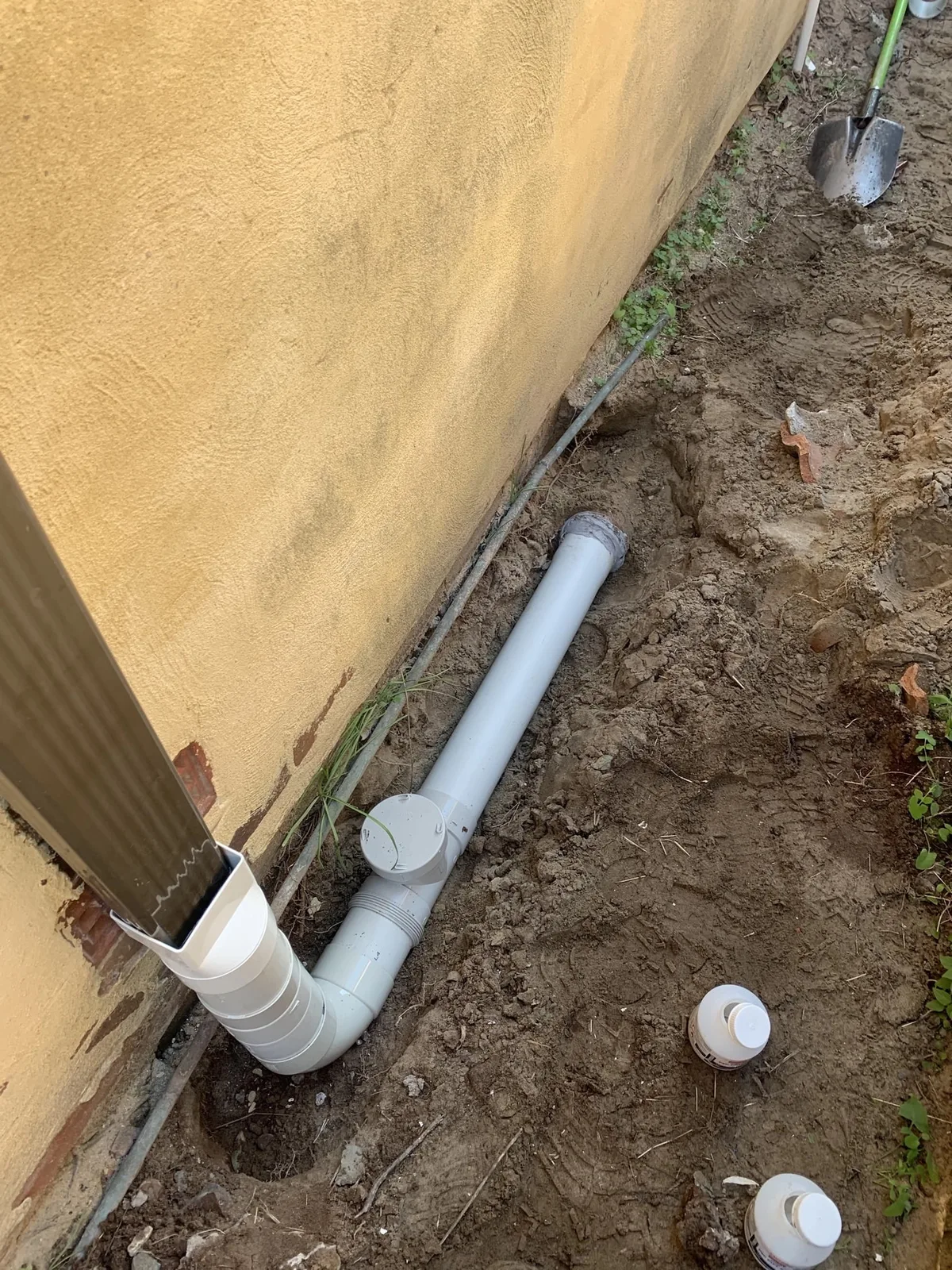
Blocked stormwater work covers the pits, grates and underground pipe runs that carry rainwater off your property. When one of those chokes, water has nowhere to go but sideways or up.
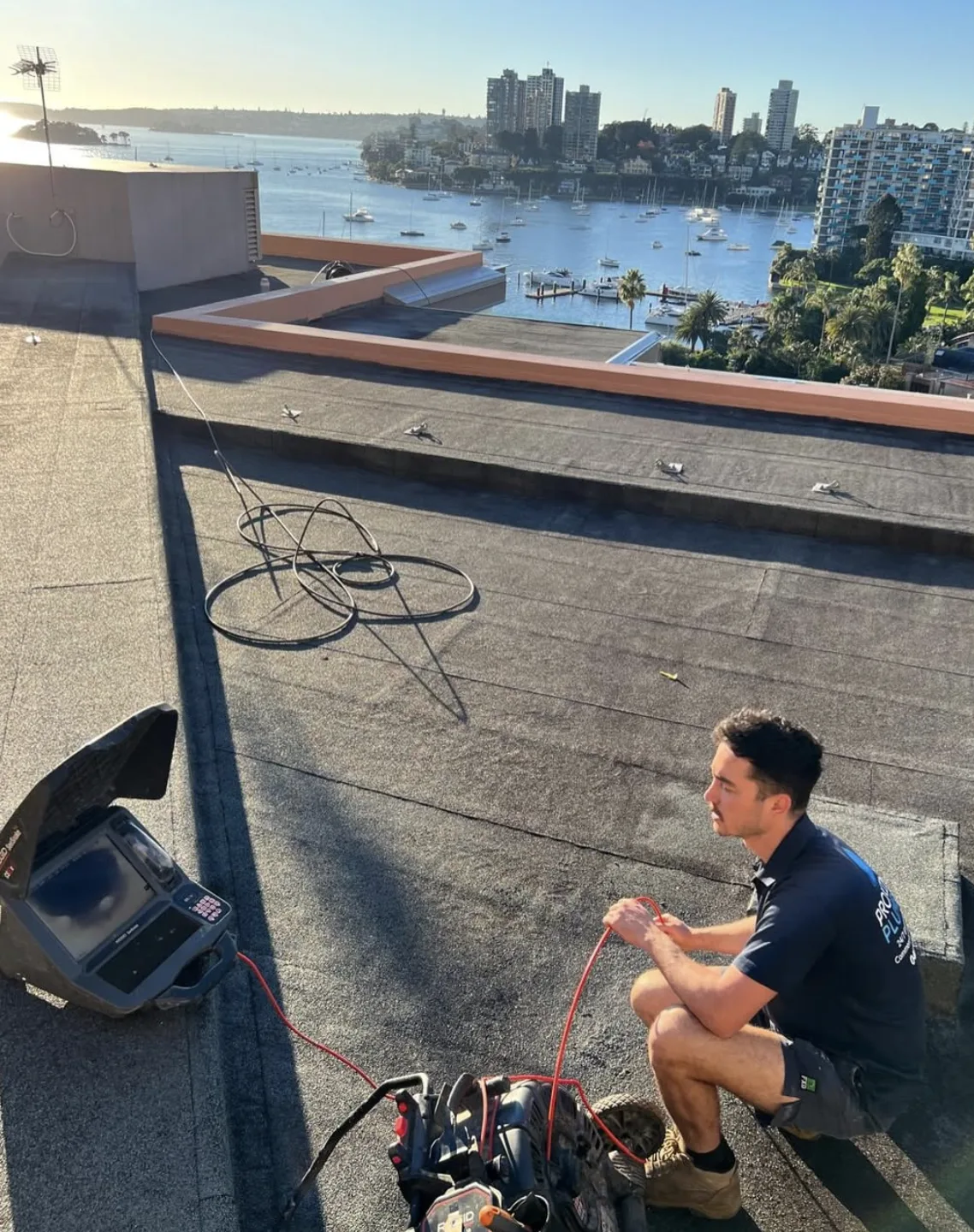
We jet the line clear with high-pressure water, remove root intrusion where it's the cause, and camera the pipe to confirm it's running properly again.
- Pit and grate clearing
- High-pressure jetting of blocked stormwater lines
- Root removal from stormwater pipes
- A final camera pass, giving you visible proof the pipe is clear
- No-dig relining for damaged stormwater sections where the pipe allows it
Blocked Stormwater in Helensburgh Homes
Sloping valley and plateau blocks let debris and silt collect at low points in drainage lines. Around Cemetery Road, where the ground falls away toward the older part of town, that pattern shows up regularly on stormwater call-outs.
Leaves and grit wash down with every heavy rain event and settle wherever the pipe run flattens out or bends.
Over time, that build-up narrows the pipe until it can't keep up with a genuinely heavy downpour, and water starts backing up at the nearest pit.
The plateau setting adds to it. Rain that falls hard on higher ground funnels down toward the older streets fast, and a partly blocked line simply can't move that volume in time.
That's when a grate that's coped fine for years suddenly overflows during one storm.
The Factors Behind a Blocked Stormwater Quote
Access to the pit or pipe run is the first factor. A grate at the front of the property takes less time than one buried under paving or garden beds.
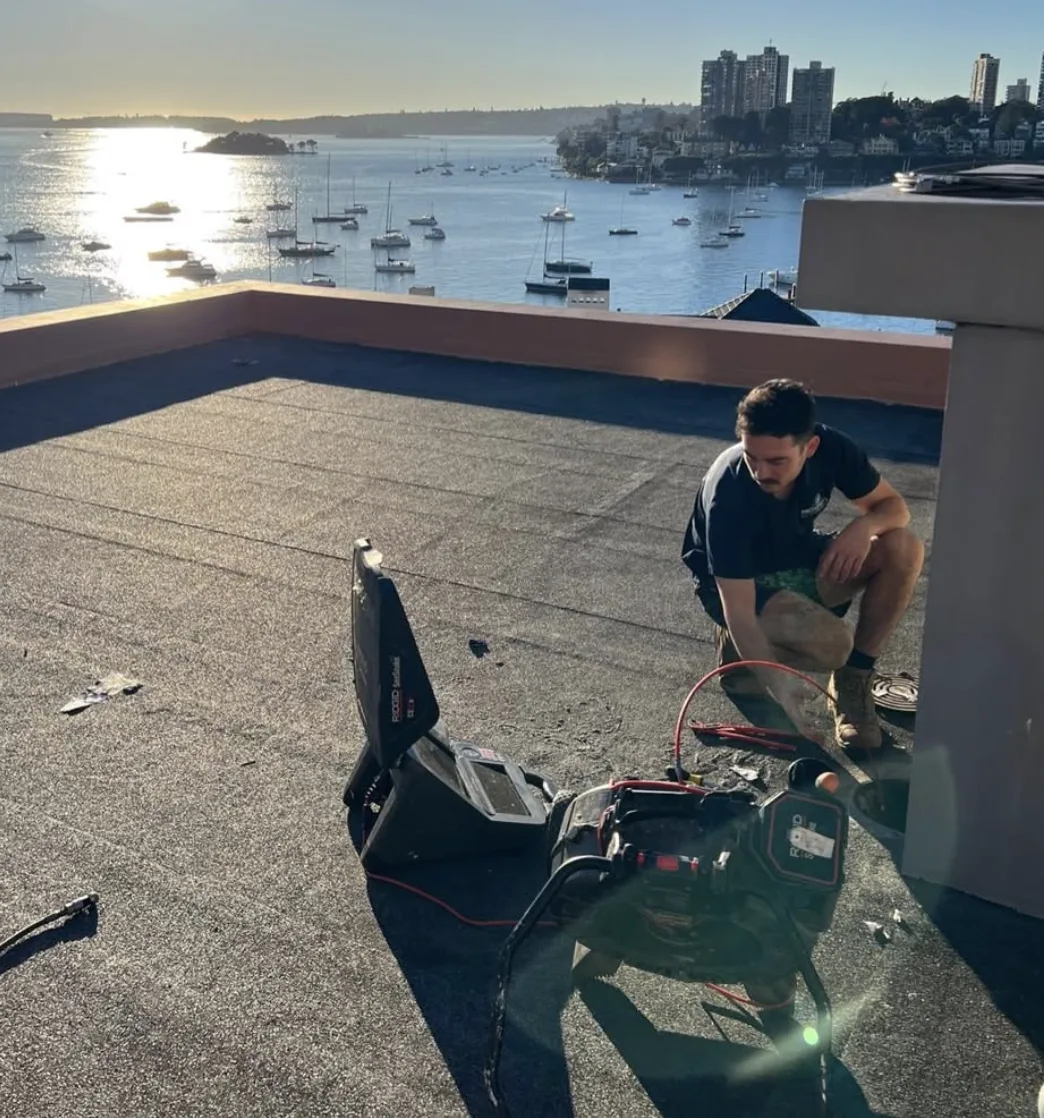
How far the blockage sits from the nearest access point plays into it too, since a jetter hose has to physically reach the debris to shift it.
The blockage type matters too. Silt and leaf litter jet out fast.
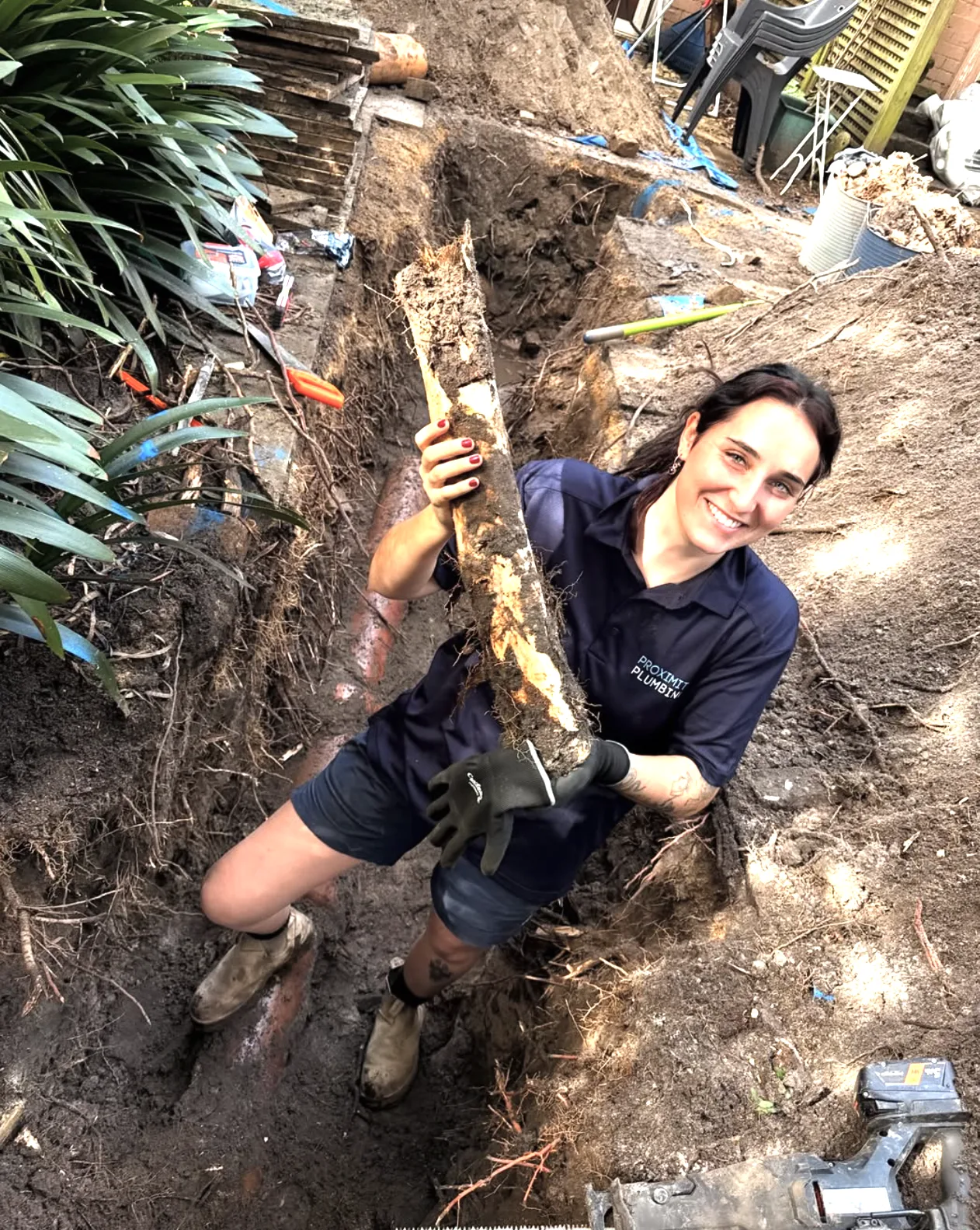
Root intrusion through a cracked joint takes longer, since we need to clear the roots before the line will run freely again.
On the sloping blocks common around Cemetery Road, the fall of the pipe itself sometimes adds time, since silt collects at multiple low points rather than one spot.
You'll get one figure covering the entire job upfront, not a running total.

Our Blocked Stormwater Process, Start to Finish
We start by locating the blocked section, usually working back from the nearest pit or grate. A camera run confirms exactly where the debris or root intrusion sits.
From there we blast the line clear with the high-pressure jetter, pushing it right through the affected section rather than stopping at the visible entry point.
A second camera pass confirms the pipe is running clear before we finish. Most straightforward clears are done within a couple of hours.
A job that uncovers heavy root growth or needs a short reline runs longer, and we'll flag that as soon as the first camera pass shows what's involved.
Standards and Boundaries, Explained Simply
Stormwater pipework within your property boundary is generally the homeowner's responsibility to maintain, while council manages the street-side infrastructure it connects to.
Work on stormwater drainage that ties into the council system has to meet local plumbing standards, the same as sewer work does.
More than one authority can have a role depending on which part of the system is affected, so a licensed plumber checking the boundary point first saves any confusion about who's responsible for what.
Why Locals Choose Us for Blocked Stormwater
Master Plumber accreditation sits behind every job we take on, stormwater included. It's not the only reason people call us back, but it's the one that tells you the standard is checked, not just claimed.
We also answer the phone ourselves, 24 hours a day, 365 days a year. A real licensed plumber picks up, not a machine, which matters when water is already pooling against the house.
We back the local community too, supporting RMHC Sydney, Beyond Blue, Wayside Chapel and Pink Ribbon Day.
None of that helps if the job's done badly, so every clear finishes with camera proof. You see the result, we don't just tell you about it.
Servicing Nearby Homes Too
Stormwater problems don't stop at a property line, and neither do we. We cover Helensburgh and the surrounding Sutherland Shire area for stormwater clearing and repair.
A cracked pipe rather than plain debris is a job for blocked drain repair instead. Not sure which one you're facing? A CCTV drain inspection settles it before anyone touches a spade.
Book Your Blocked Stormwater Today
Pooling water after rain gets worse the longer it sits. Get the line jetted and checked before the next downpour finds the weak point.
Call (02) 9072 0710 any time, day or night, for a fixed price on blocked stormwater clearing in Helensburgh.
Common questions
Your Blocked Stormwater FAQs
What equipment do you use for blocked stormwater?
A high-pressure water jetter for silt, leaf litter and debris, and a CCTV drain camera to check the line before and after. For root intrusion in an older pipe we'll bring the electric eel first to open a path, then jet it clean.
What are the signs I need blocked stormwater?
Water pooling near a grate or pit after rain that should have already drained away, water backing up out of a grate during a downpour, or a musty smell from a pit are the main ones. Overflow onto a path or driveway during heavy rain is the most obvious sign of all.
Can you do blocked stormwater in older homes with clay pipes?
Yes, and it's common work on this style of property. Clay stormwater lines from the mining and railway era crack and shift over time. Roots exploit those gaps, so we camera the line first to know exactly what we're dealing with before we jet or reline it.
Will you show me proof the drain is clear?
Yes. Every stormwater job gets a camera check once the line is jetted, so you can see the pipe running clear rather than just take our word for it.
I've had it jetted before and it still blocks. Why?
A jet blast clears debris but doesn't fix a collapsed section or a root-choked joint underneath it. If the underlying pipe fault was never addressed, silt and roots find their way back to the same low point within a season or two.
What's the usual price range for clearing blocked stormwater?
A standard jet-and-camera clear costs less than a job that turns up root damage or needs a pipe repair. You'll get a fixed price before we start, since every quote is agreed upfront rather than billed by the hour.